
- Why High-Power Energy Storage Matters in 2026
- What Can a High-Power Residential Energy Storage System Power?
- Seamless Backup Power When the Grid Fails
- Key Specs for Residential Energy Storage
- Designed for Long-Term Residential Use
- Who Is the Best Fit for High-Power Residential Energy Storage Systems?
- Residential Energy Storage System as a Long-Term Investment
- Conclusion
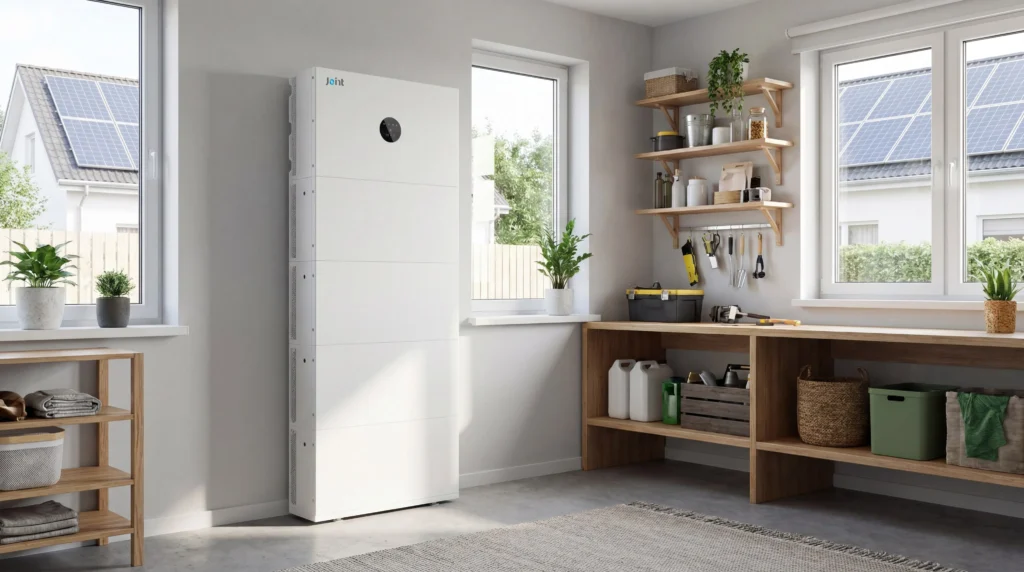
Why High-Power Energy Storage Matters in 2026
As global energy systems continue to evolve, residential electricity consumption is increasing faster than ever. The rise of electric vehicles, heat pumps, smart appliances, and distributed solar generation is transforming how households use and manage energy.
At the same time, power grids in many regions are facing growing instability caused by extreme weather, aging infrastructure, and rising peak demand. Short outages, voltage drops, and grid constraints are becoming more common—even in developed markets.
In this context, traditional low-power home battery systems are no longer sufficient.
In 2026, choosing a high-power residential energy storage system is no longer just about emergency backup. It is about maintaining daily comfort, ensuring energy independence, and preparing homes for a fully electrified future.
What Can a High-Power Residential Energy Storage System Power?
One of the most important — and often misunderstood — questions homeowners ask is: What can the system actually run?
Many entry-level residential storage systems offer limited output power, typically 3–5 kW. These systems are suitable for lighting, small appliances, and electronics, but struggle with high-power household loads.
High-power home energy storage systems, offering 8 kW to 12 kW AC output, are designed for whole-home applications. They can support multiple appliances operating simultaneously, including:
- Air conditioners and heat pumps
- Electric stoves and ovens
- Washing machines and dryers
- Refrigerators and freezers
- Lighting, routers, computers, and TVs
- Water pumps and household motors
This level of output allows homeowners to continue using electricity normally during outages, rather than limiting usage to essential circuits only.
Seamless Backup Power When the Grid Fails
Backup capability is a defining feature of modern residential energy storage systems. However, not all backup systems perform equally.
Advanced systems feature automatic backup switching with a transfer time of approximately 10 milliseconds. This rapid response ensures that sensitive devices such as routers, computers, and control systems remain powered without noticeable interruption.
In contrast, slower systems may experience several seconds of downtime, causing network failures or appliance resets.
True whole-home backup systems deliver:
- Full-power AC output in backup mode
- Stable voltage and frequency
- Continuous power for both essential and high-load appliances
Key Specs for Residential Energy Storage
When evaluating a home energy storage system, technical specifications directly translate into real-world performance. Some of the most important parameters include:
1. AC Output Power
Higher output power determines how many appliances can run simultaneously. Systems with up to 12 kW AC output are suitable for larger homes and higher electricity demand.
2. Battery Technology
Lithium iron phosphate (LFP) batteriesare widely recognized for their safety, thermal stability, and long service life. They are commonly used in electric vehicles and premium energy storage solutions.
3. Battery Capacity and Scalability
Modular battery systems allow homeowners to start with a smaller capacity and expand over time. Supporting up to 8 battery modules enables total usable energy capacity exceeding 36 kWh, ideal for extended backup and higher daily consumption.
4. Solar Input Capacity
High solar input capacity — up to 22 kW of PV power — ensures compatibility with large rooftop installations and future solar expansion without inverter replacement.
5. MPPT ConfigurationMPPT
Dual MPPT (Maximum Power Point Tracking) inputs allow flexible panel placement across multiple roof orientations, maximizing solar yield.
6. System Efficiency
High system efficiency — reaching 97.2% maximum efficiency — ensures minimal energy loss during conversion and storage.
7. Protection Rating
An IP65 rating allows reliable installation indoors or outdoors, protecting the system from dust and water exposure.
| Specification | Why It Matters | What to Look For in 2026 |
| AC Output Power | Determines how many appliances can run at the same time without overload | 8–12 kW continuous output to support whole-home usage, including HVAC and EV charging |
| Battery Technology | Affects safety, lifespan, and thermal stability | Lithium Iron Phosphate (LFP) for higher safety, longer cycle life, and thermal stability |
| Battery Capacity & Scalability | Defines how long the system can power the home and whether it can grow with demand | Modular design supporting up to 8 battery modules and 30–40+ kWh usable capacity |
| Solar Input Capacity | Limits how much solar energy the system can accept | High PV input (up to 22 kW) to support large rooftop arrays and future expansion |
| MPPT Configuration | Determines solar harvesting efficiency under varying roof orientations | Dual or multiple MPPTs for flexible panel layout and higher energy yield |
| System Efficiency | Impacts overall energy loss during charging and discharging | Peak efficiency up to 97% or higher for minimal energy loss |
| Backup Transfer Time | Affects continuity of power during grid outages | ≤10 ms seamless switchover to avoid device resets |
| Protection Rating | Determines suitability for indoor and outdoor installation | IP65-rated enclosure for dust and water resistance |
| Noise Level | Impacts installation location and user comfort | Fanless or ultra-quiet operation suitable for residential environments |
| Scalability & Future Readiness | Ensures long-term value as energy demand grows | Support for EVs, heat pumps, and future load expansion |
Designed for Long-Term Residential Use
Modern residential energy storage systems are not short-term gadgets. They are designed as long-lasting components of residential energy infrastructure.
Modular and Scalable Design
As household energy consumption increases — due to electric vehicles, heat pumps, or home expansion — battery capacity can be increased without replacing the entire system.
Quiet and Low-Maintenance Operation
Fanless, naturally cooled designs minimize noise and reduce maintenance requirements, making them ideal for residential environments.
Indoor and Outdoor Installation
With weather-resistant enclosures, systems can be installed in garages, utility rooms, or outdoor spaces without performance compromise.
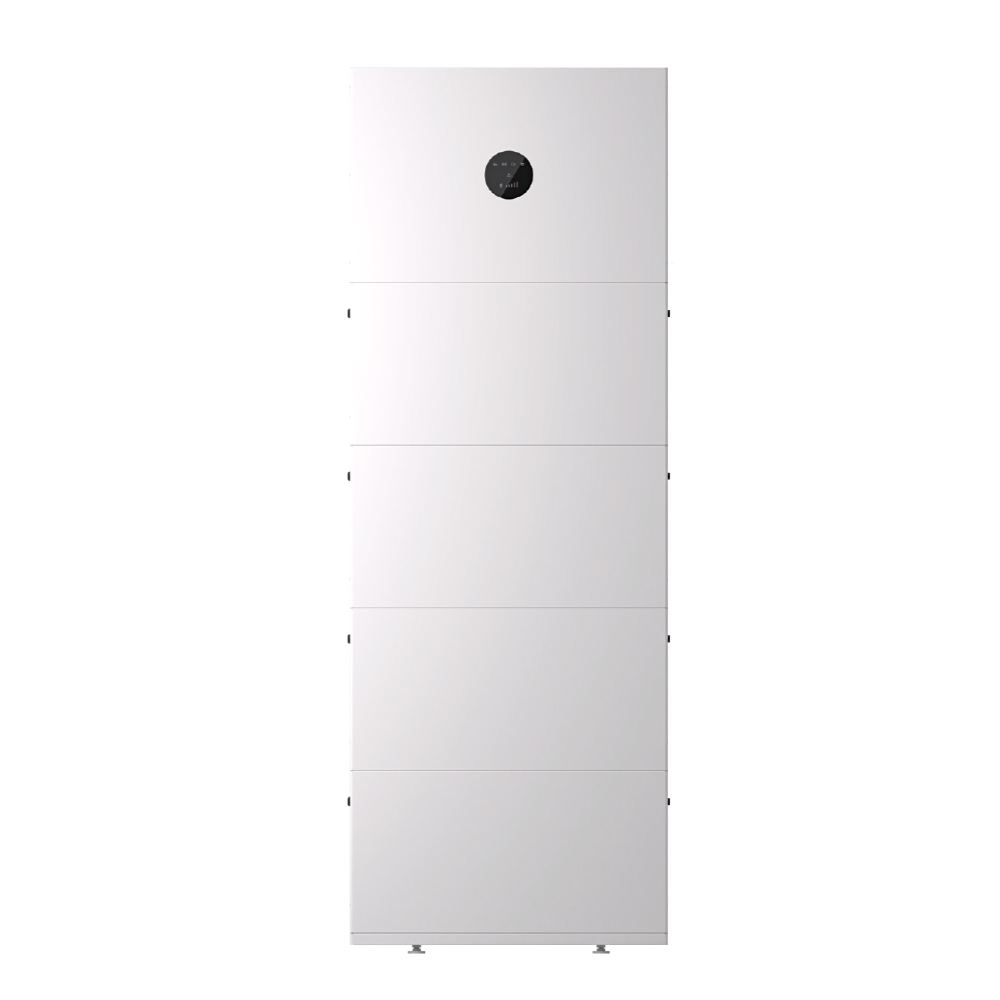
Joint’s R-ESS Series-All-in-One Residential Energy Storage Systems
Who Is the Best Fit for High-Power Residential Energy Storage Systems?
High-power, modular home energy storage systems are particularly suitable for:
- Homes with rooftop solar installations
- Households experiencing frequent power outages
- Families with high daily electricity consumption
- Users planning future solar or battery expansion
- Homeowners seeking long-term energy independence
Rather than serving as emergency power only, these systems support daily energy optimization and backup protection simultaneously.
Residential Energy Storage System as a Long-Term Investment
From an economic perspective, residential energy storage offers both direct and indirect returns:
- Reduced electricity bills through solar self-consumption
- Protection against rising energy prices
- Increased property value
- Enhanced energy security and comfort
As grid conditions and energy costs continue to evolve, energy storage provides homeowners with flexibility and control over how and when electricity is used.
Conclusion
Residential energy storage systems represent a fundamental shift in how residential electricity is managed. High-power, scalable solutions enable homeowners to move beyond basic backup and toward true energy independence.
By combining robust output capability, seamless backup performance, advanced solar integration, and long-life battery technology, modern home energy storage systems are becoming an essential component of future-ready homes.
For homeowners seeking reliability, flexibility, and long-term value, investing in a high-performance home energy storage system is no longer just an option — it is a smart energy decision.
