

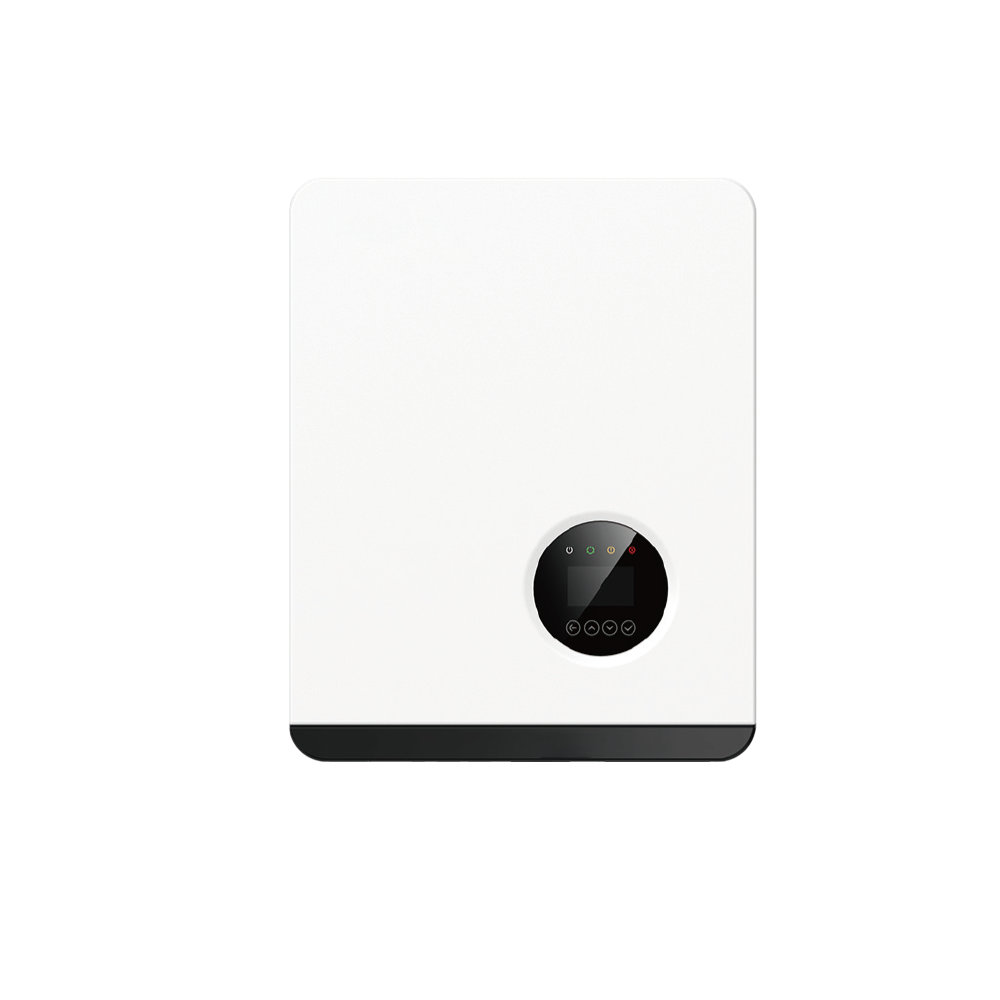
JOINT | INVG SERIES
Three Phase / On-grid / 30–50 kW
Designed for residential rooftop PV systems, the single-phase INVG inverter delivers high efficiency and flexible system sizing for maximum energy yield.




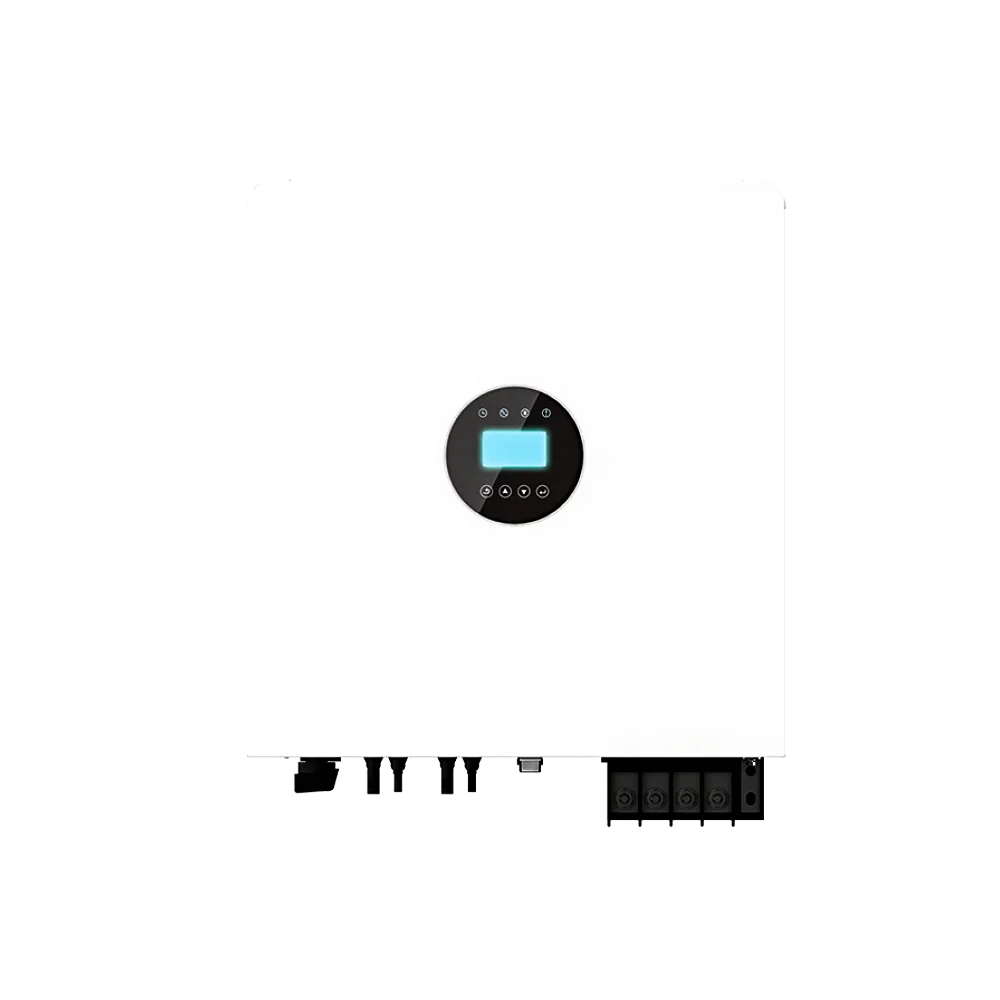
JOINT | INVG SERIES
Three Phase / On-grid / 30–40 kW
The three-phase INVG inverter is designed for larger residential systems and light commercial applications, offering higher power capacity and enhanced system compatibility.
JOINT | INVG SERIES
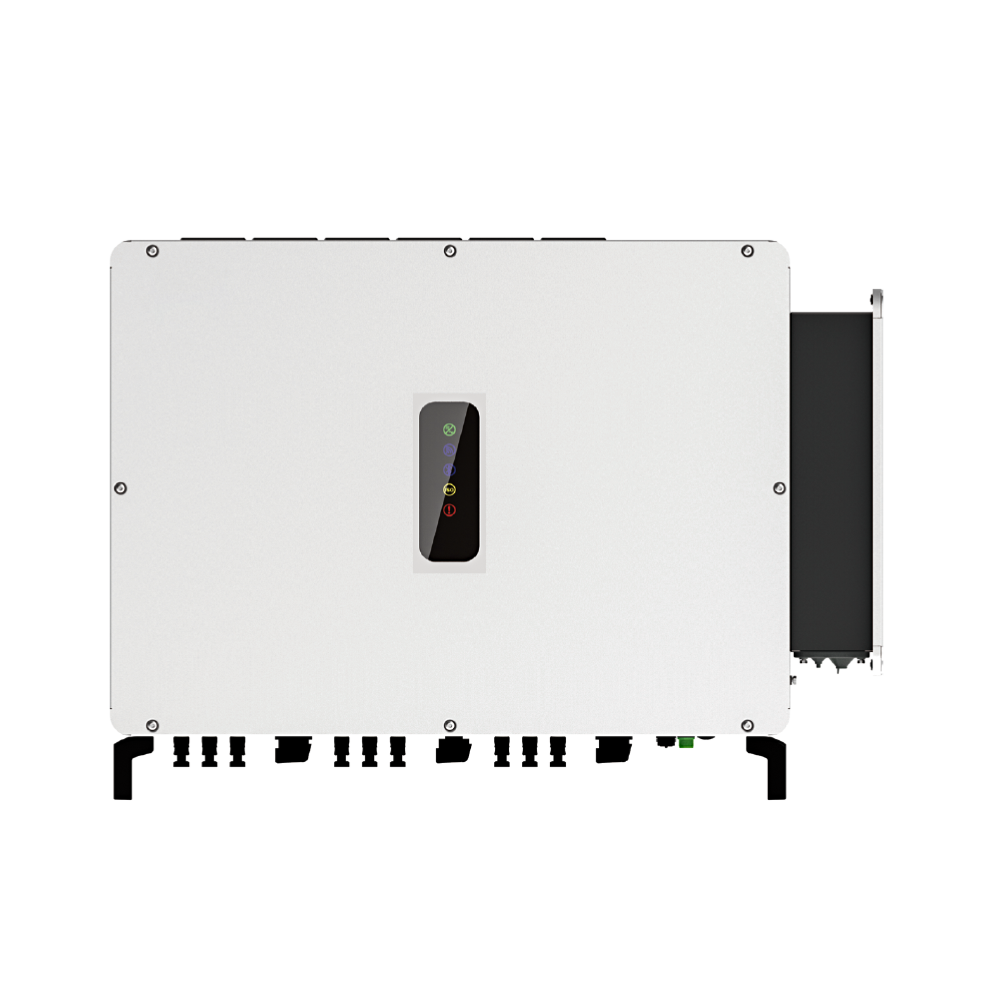
Three Phase / On-grid / 50–80 kW
Designed for residential rooftop PV systems, the single-phase RG inverter delivers high efficiency and flexible system sizing for maximum energy yield.
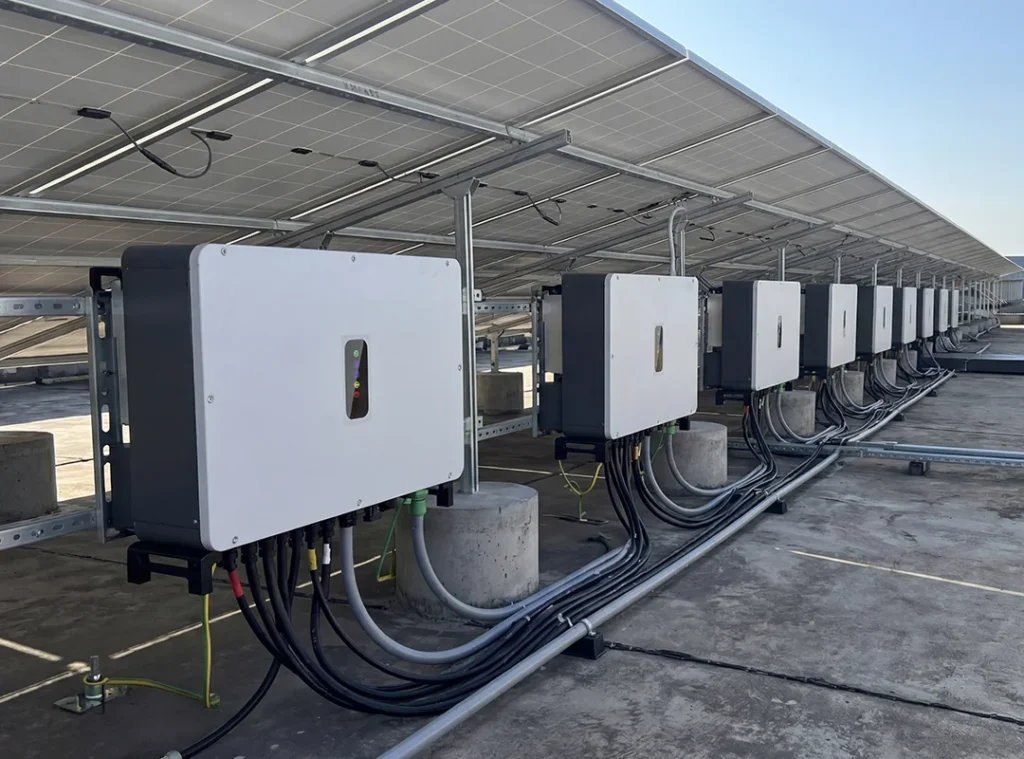
JOINT | INVG SERIES
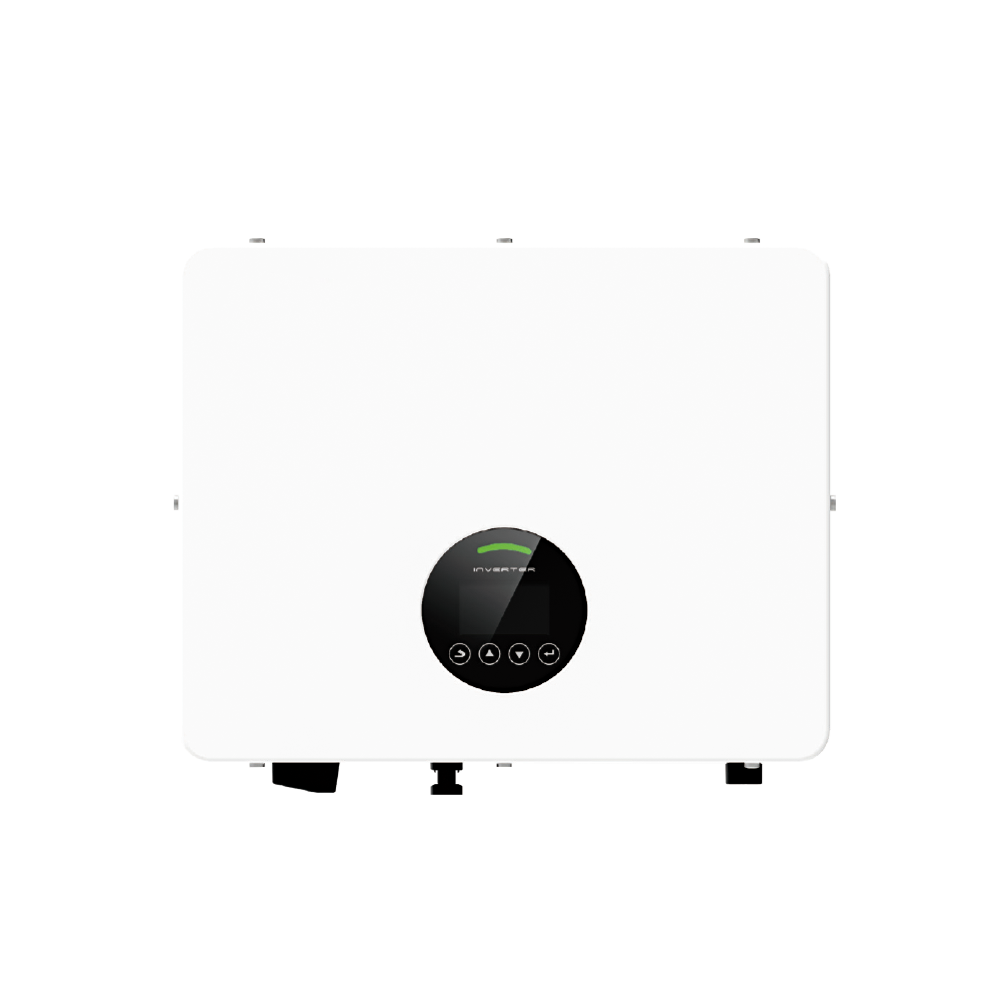
Three Phase / On-grid / 125 kW
The three-phase INVG inverter is designed for larger residential systems and light commercial applications, offering higher power capacity and enhanced system compatibility.
Product Specifications

Insurance Companies
Roadside Assistance
On-Site Surveys

EV Emergency Charging
Outdoor Events
Large-Scale Activities
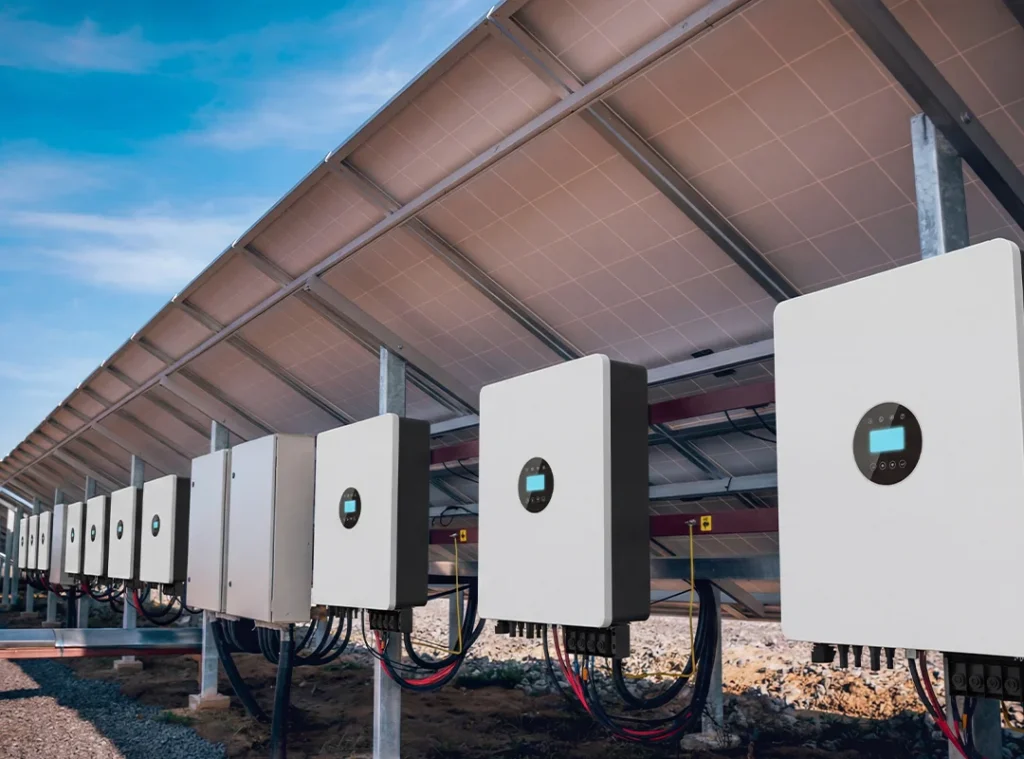
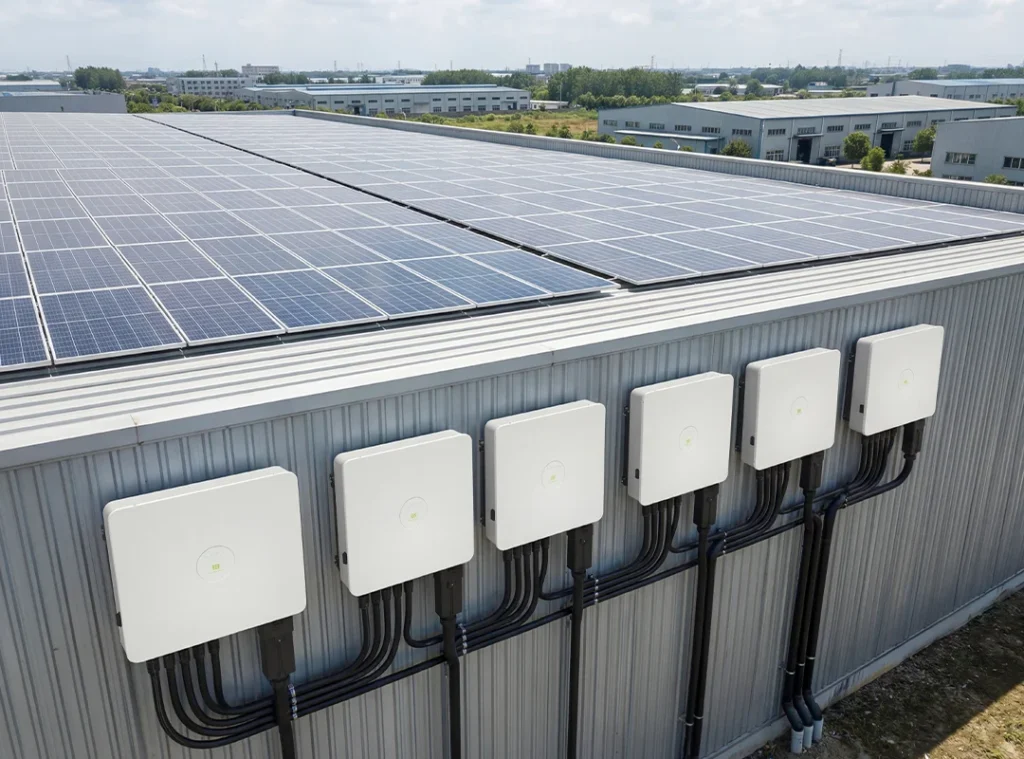
Made for Homes
With efficient power conversion, the RG series help homeowners make the most of solar energy.
Frequently Asked Questions
Find answers to commonly asked questions about our products and services.
-
What Is the Maximum Efficiency of Joint Commercial Inverters?
Our inverters offer industry-leading efficiency to maximize your ROI. For instance, the JG30-50KT7 series achieves a maximum efficiency of 98.8%, while our high-power JG125KW model maintains a high efficiency of 98.7%.
-
Can These Three-Phase On-Grid Inverters Handle “Over-Provisioning” of PV Panels?
Yes. To ensure high energy yield even during low-light conditions, our systems support a DC/AC ratio of up to 1.5. This allows you to install more solar panels relative to the inverter’s AC rating for optimized levelized cost of energy (LCOE).
-
How Do the Three-Phase On-Grid Inverters Perform in Low-Light Conditions (e.g., Early Morning or Late Afternoon)?
Our inverters feature a low start-up voltage, ranging from 200V (JG30-50KT7) to 300V (JG125KW/JG75KTL). This ensures the system starts generating power earlier in the day and shuts down later, increasing total daily energy production.
-
Are Your Three-Phase On-Grid Inverters Compatible with the Latest High-Power (540W/600W+) Solar Modules?
Absolutely. Our latest models, such as the JG125KW and JG75KTL, support a maximum input current per MPPT of 45A. This perfectly matches the high-current requirements of 182mm and 210mm wafer-based ultra-high-power modules without power loss.
-
How Many MPPTs Do Your Three-Phase On-Grid Inverters Have for Complex Roof Layouts?
1. 30kW – 50kW models: Feature 3 to 4 MPPTs.
2. 75kW model: Features 9 MPPTs.
3. 125kW model: Features 8 MPPTs. This high number of MPPT trackers minimizes energy loss caused by shading or different roof orientations. -
What Is the Protection Rating for Outdoor Installations?
All our commercial inverters are rated IP66. This ensures complete protection against dust and high-pressure water jets, making them ideal for harsh outdoor commercial environments.
-
How Does the System Handle Lightning Strikes or Electrical Surges?
Safety is integrated into our hardware. Our units come standard with Type II DC and AC Surge Protection Devices (SPD) to protect the internal circuitry from voltage spikes.
-
Do You Offer Protection Against Fire Hazards Like DC Arcs?
Yes. An AFCI (Arc Fault Circuit Interrupter) function is available as an optional feature across our range. This proactively detects and shuts down the system if a dangerous electric arc occurs, ensuring building safety.
-
What Monitoring Options Are Available for Fleet Management?
We offer a versatile suite of communication methods including RS-485, WiFi, and Ethernet as standard/options. Some models also support 4G or PLC (Power Line Communication) for sites where WiFi is unavailable.
-
Can These Three-Phase On-Grid Inverters Be Installed at High Altitudes?
Yes, our equipment is designed for diverse geographies. Our inverters can operate at a maximum altitude of 5000m (with derating above 4000m).
-
Is There a Way to Prevent Power from Flowing Back into the Grid?
Yes, our systems can be used with an external energy meter and CTs to enable export limitation or “Zero Export” functions, satisfying local utility requirements.
Explore More Products

EVD002 30–40kW DC Fast Charger | CCS2 GB/T OCPP 1.6
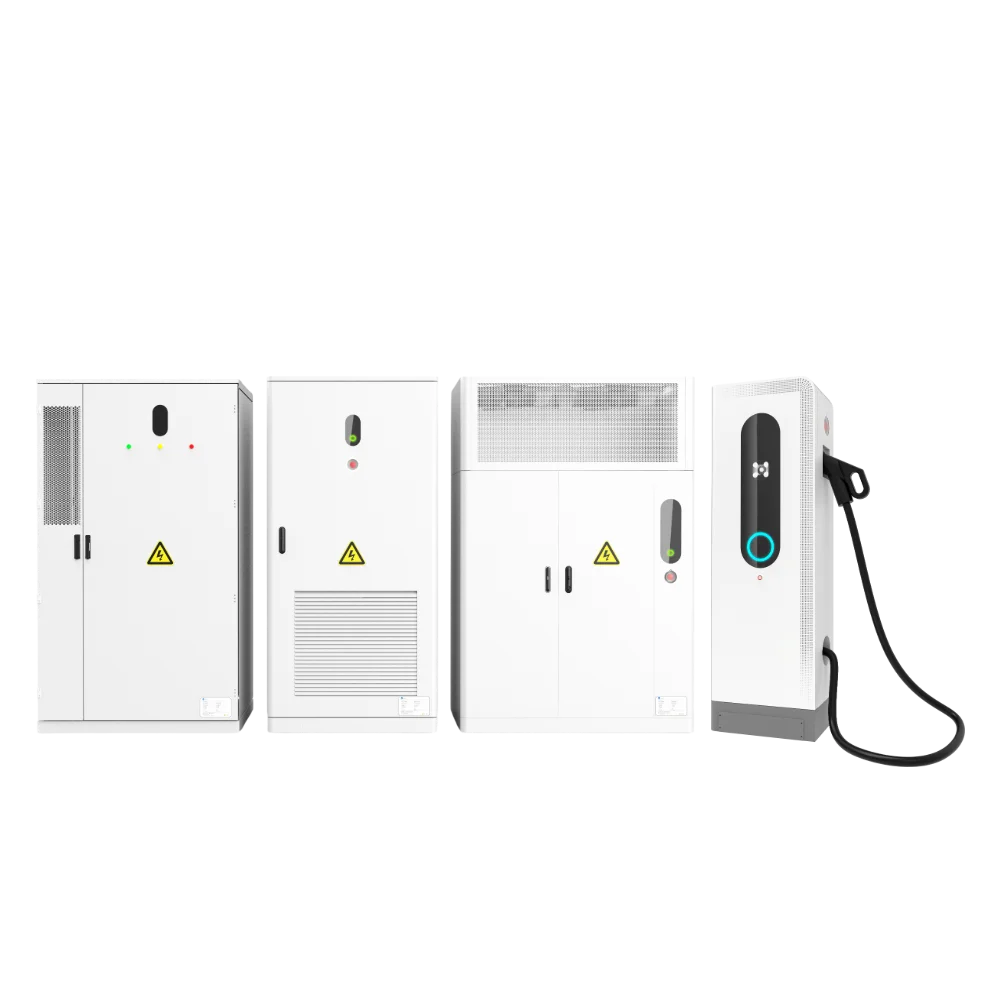
ESCS-D 120–180kW DC Fast Charger | Centralized EV Charging

EVD100 60–240kW DC Charging Station | Dual CCS2 OCPP 2.0.1

EVD005 Split DC Fast Charger 360–480kW | High-Power Fleet

EVD002 40–60kW DC Fast Charger | CCS2 OCPP 2.0.1 Europe

